How Laser
Actually Works
No fancy science talk. Laser uses focused pulses of light to strip rust, paint, coatings, and buildup off surfaces — without chemicals, without sandblasting, without touching the material.
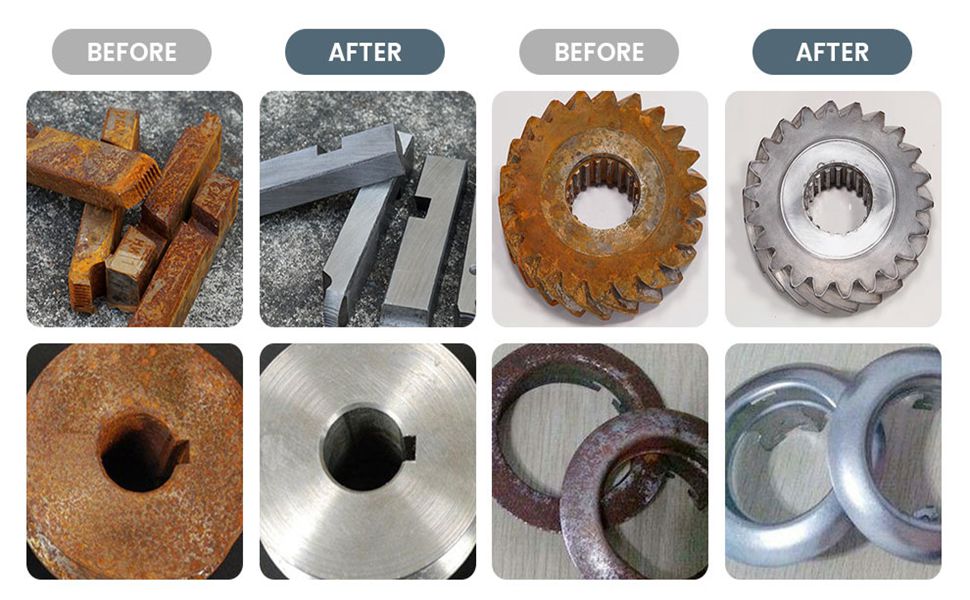
The Process — Plain and Simple
1. Focused Light Pulses
We point a focused laser beam at the surface. It fires rapid pulses of light that go after the junk — rust, paint, coatings, grease, biological growth — while leaving the base material alone.
2. The Junk Burns Off
The laser heats the contaminant layer so fast it basically vaporizes right off the surface. We dial in the power, pulse rate, and speed for each specific job.
3. Nothing Touches the Surface
Only light hits the material. No sandblasting media grinding away, no chemicals eating at it. That's why it works on delicate stuff — precision parts, stone, things that would get chewed up by traditional methods.
4. Fume Extraction Catches the Rest
Whatever gets vaporized gets sucked up by our fume extraction system. Keeps the work area clean, keeps particulates out of the air. Way less waste than sandblasting or chemical treatment.
Common Questions
Will it damage my equipment?
When we set it up right — and we always do — the laser strips the contaminant without hurting the base material. Every job gets dialed in for the specific surface and buildup. That's why we offer free demos on your actual equipment, so you can see the results before committing.
What can you work on?
Most metals (steel, aluminum, copper, cast iron), stone (granite, marble, limestone), concrete, and some composites. We remove rust, paint, coatings, grease, resin, oxide layers, and biological growth.
Is it safe?
This is a Class 4 industrial laser — not a toy. We manage the hazard zone, provide all required PPE, and run fume extraction on every single job. Safety isn't optional for us.
How long does it take?
Depends on what you're working with — the type of buildup, how thick it is, and how much surface area. We can give you a time estimate after looking at your specific job during a free on-site demo.